


Staying sober can be challenging when relapse triggers show up in daily routines, relationships, or stressful moments. Learning to identify triggers, then building skills to navigate them, helps you protect your progress and strengthen long‑term wellness. At Sterling Crossroads in Mount Sterling, Kentucky, we support people and families with compassionate care, skills training, and therapies designed to reinforce recovery. In this post, we explore relapse triggers and practical tips for building a relapse prevention plan.
What are relapse triggers?
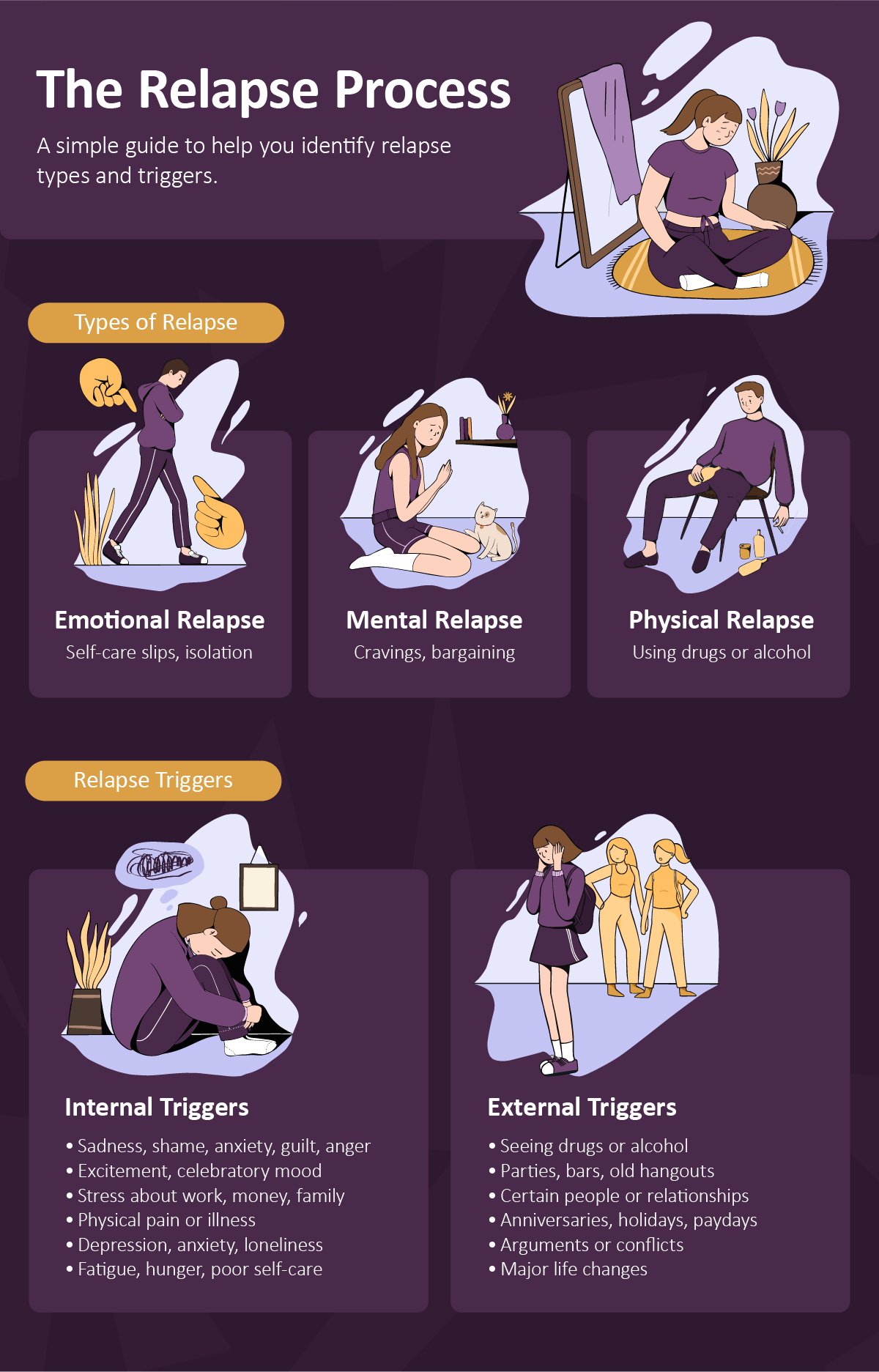
Relapse triggers are internal or external cues that increase cravings or thoughts about drugs or alcohol. These cues can be people, places, situations, memories, or emotional states that were previously connected to substance use. When you understand your personal triggers, you can plan ahead and reduce risk. Many people find it helpful to think of triggers in two general categories: internal triggers and external triggers.
Understanding internal triggers and your emotional state
Internal triggers arise from within. They include thoughts, beliefs, body sensations, and emotional responses. Examples of common internal triggers include:
- Negative emotions, such as sadness, shame, anxiety, guilt, or anger
- Positive feelings, such as excitement or celebration that previously involved alcohol or drugs
- Stress about money, work, school, or increased responsibility at home
- Physical illness or pain that used to be numbed with substance use
- Mental illness symptoms, such as depression or panic, that intensify cravings
- Fatigue, hunger, or poor self-care that lowers self-control
- Social isolation or loneliness
These signals can build quietly over an extended period, then spike suddenly during a strong emotion. Noticing internal cues early lets you use coping mechanisms before cravings grow.
External triggers to watch for
External triggers are outside events or environmental cues. Common relapse triggers in this category include:
- Being around drugs or alcohol, including drug use in social settings
- Situations like parties, old hangouts, or after‑work gatherings
- People associated with past substance abuse
- Reminders of romantic relationships involving drug and alcohol use
- Anniversaries, holidays, or paydays linked to past drinking or drug use
- Conflicts with family members, coworkers, or a loved one
- Major life changes, such as moving, job shifts, or increased responsibility
Knowing your common triggers helps you plan exits, set boundaries, and bring a supportive friend to events where you might feel pressured.
The 3 stages of the relapse process
Relapse is a process, not a single event. Many experts describe 3 stages that often unfold in order: emotional relapse, mental relapse, and physical relapse. Learning the warning signs at each stage helps you intervene early.
Emotional relapse
Emotional relapse happens first. You are not thinking about using, but your self-care and coping start to slip, setting the stage for a lapse. Warning signs can include:
- Poor sleep, skipping meals, or not staying hydrated
- Irritability, restlessness, or anxiety
- Bottling up negative feelings rather than sharing them
- Withdrawing from support groups or avoiding supportive people
- Not attending meetings you planned to attend
- Overworking or staying too busy to feel or reflect
At this stage, returning to basic self-care, healthy eating, regular movement, and connection can prevent relapse from progressing.
Mental relapse
Mental relapse follows if emotional relapse is not addressed. In mental relapse, you may feel torn between staying sober and using. Common warning signs include:
- Cravings, bargaining, or minimizing past consequences
- Glamorizing past drug or alcohol use
- Planning routes or scenarios that put you near suppliers or bars
- Lying to yourself or others about where you are going
- Thinking, “one use won’t hurt,” or “just this one time”
Using skills like urge surfing, distraction, calling a supportive friend, or talking with a mental health professional can reduce the intensity of mental relapse and help you move through cravings safely.
Physical relapse
Physical relapse is the act of returning to drugs or alcohol. It often occurs when warning signs in emotional and mental relapse are missed or dismissed. A physical relapse does not erase your progress. It signals that your relapse prevention plan needs adjustments, stronger social support, or more structured care.
How to identify triggers in daily life
To identify triggers, combine self-observation with feedback from trusted people:
- Journal patterns. Track time of day, situations, and emotions when cravings appear. Look for internal triggers, external triggers, and combinations.
- Ask for input. A therapist, counselor, sponsor, or mental health professional can help you name common relapse triggers you might overlook.
- Use body awareness. Learn to notice tension, racing thoughts, or changes in breathing.
- Map high-risk situations. List places, people, and times linked to previous substance use.
- Involve family members. Share your list so they can support you in avoiding triggers and help with accountability.
- Update your treatment plan regularly. Triggers can evolve as life changes.
When you identify triggers early, you can choose coping mechanisms that fit the moment and lower your potential relapse risk.
Coping mechanisms that prevent relapse
Coping mechanisms are practical actions and skills you use when triggers show up. Build a personalized toolkit that includes quick strategies and long‑term supports:
- Practice the 4 Ds. Delay, Distract, Deep breathe, Decide to do the next right thing. Even 15 minutes can help a craving pass.
- Use grounding. Try 5‑4‑3‑2‑1 senses, or just focus on one breath or one step.
- Move your body. A brisk walk, stretching, or a short workout can lower stress hormones.
- Eat and hydrate. Healthy eating stabilizes energy and mood, which supports self-control.
- Sleep routines. Consistent bed and wake times strengthen physical health and mood.
- Mindfulness. Brief practices reduce reactivity to strong emotion and cravings.
- Connection. Call a friend, attend a support group meeting, or text a trusted loved one.
- Structure. Plan your day with work, activities, and rest to reduce idle time.
- Meaningful activities. Hobbies, volunteering, and learning restore self-confidence and purpose.
- Therapy. Cognitive behavioral strategies help change thoughts that fuel cravings.
- Peer support. Attending meetings, including 12‑step or SMART Recovery options, adds accountability and community.
- Name the craving. Saying “I am noticing a craving” reduces its power.
- Change your location. Leave the line, step outside, or take a walk.
- Shift your focus. Start a short task, listen to music, or practice a 2-minute breathing exercise.
- Use time. Remind yourself that cravings peak and pass. Set a timer for 10 minutes.
If cravings feel overwhelming or last for an extended period, reach out to a clinician or call a crisis line for immediate support.
Create a relapse prevention plan
A written relapse prevention plan is a detailed plan that lists your triggers, warning signs, coping skills, and supports. Include:
- Your top 5 personal triggers, internal and external
- Early warning signs for emotional relapse and mental relapse
- Fast coping mechanisms you will use in the first 10 minutes
- Names and numbers of a supportive friend, sponsor, or loved one to call
- Support groups and meeting times you can access quickly
- Detailed boundaries for high-risk situations
- Steps to update your treatment plan if you notice a potential relapse
Review your relapse prevention plan weekly, and after any slip-up, revise it with your counselor.
Plan for high-risk situations
Some high-risk events are predictable, such as holidays, travel, or anniversaries. Plan ahead.
- Bring your own drink, or hold a coffee or seltzer to reduce offers of alcohol.
- Drive yourself so you can leave early.
- Attend with a supportive family member or friend.
- Prepare scripts to say no.
- Schedule a check-in with your sponsor afterward.
Avoiding triggers is not always possible, but planning reduces exposure and increases safety.
When relapse happens
Relapse can occur in addiction recovery, even with strong preparation. That reality reflects the chronic nature of substance use disorders, not a personal failure. If a physical relapse happens:
- Stop as soon as you can, and seek safety
- Reach out to your support systems immediately
- Review what led to the relapse process without judgment
- Reengage with your counselor to strengthen your coping mechanisms
- Consider adjusting the level of care, frequency of therapy, or medications if appropriate
You can learn from the experience and move forward with renewed support and a clearer plan.
How Sterling Crossroads supports maintaining recovery
Recovery is about healing, growth, and learning new skills that last. At Sterling Crossroads in Mount Sterling, we emphasize personalized care and practical tools that help you manage addiction relapse triggers in daily life:
- Therapy focused on relapse prevention. Our relapse prevention therapy emphasizes identifying triggers, building skills, and practicing plans for high-risk situations.
- Skills for daily life. Life skills training reinforces structure, time management, communication, and stress reduction techniques that support maintaining recovery.
- Integrated counseling. Our addiction therapy program addresses substance use patterns, co-occurring mental health conditions, and social support, and helps you refine your treatment plan over time.
If you or a loved one would benefit from added support, explore these options and reach out to learn how care can be tailored to your needs.
Evidence‑informed perspective
Research from the National Institute on Drug Abuse (NIDA) notes that substance use disorders are chronic, treatable conditions. Many people need ongoing support over time to reduce risk and strengthen recovery. Education about addiction relapse, early warning signs, and planning are key. For additional information and free resources, check out NIDA. For confidential help and referrals, you can also visit SAMHSA.
Putting it all together
Make a plan today.
- Name your triggers. Identify internal and external triggers specific to you.
- Watch for early warning signs. Address emotional relapse with sleep, nutrition, movement, and connection.
- Use skills. Apply coping mechanisms in healthy ways, including breathing, movement, and connection.
- Build support. Attend support groups, keep in touch with supportive friends, and involve family members where helpful.
- Keep updated. Review your relapse prevention plan regularly.
- Seek care. If cravings increase, contact a mental health professional, reconnect with your counselor, or adjust the intensity of care.
Recovery takes practice, patience, and support. With knowledge about addiction relapse triggers, a clear plan, and consistent connection, you can strengthen resilience and protect your progress.