


At Sterling Crossroads, we meet people across Central Kentucky who worry about their alcohol use. Recognizing the signs of alcoholic behavior can feel scary, but learning what to look for is a strong first step toward change. Alcohol use disorder is a medical condition where someone loses control over drinking alcohol despite negative consequences at home, work, or in personal relationships.
Introduction to alcohol use disorder
Alcohol use disorder, described in the Diagnostic and Statistical Manual of Mental Disorders, Fifth Edition (DSM-5), involves patterns like craving alcohol, spending lots of time drinking, and continuing to drink even when it harms health or relationships. According to the American Psychiatric Association, AUD can be mild, moderate, or severe depending on how many symptoms are present.
Alcohol consumption terms to know
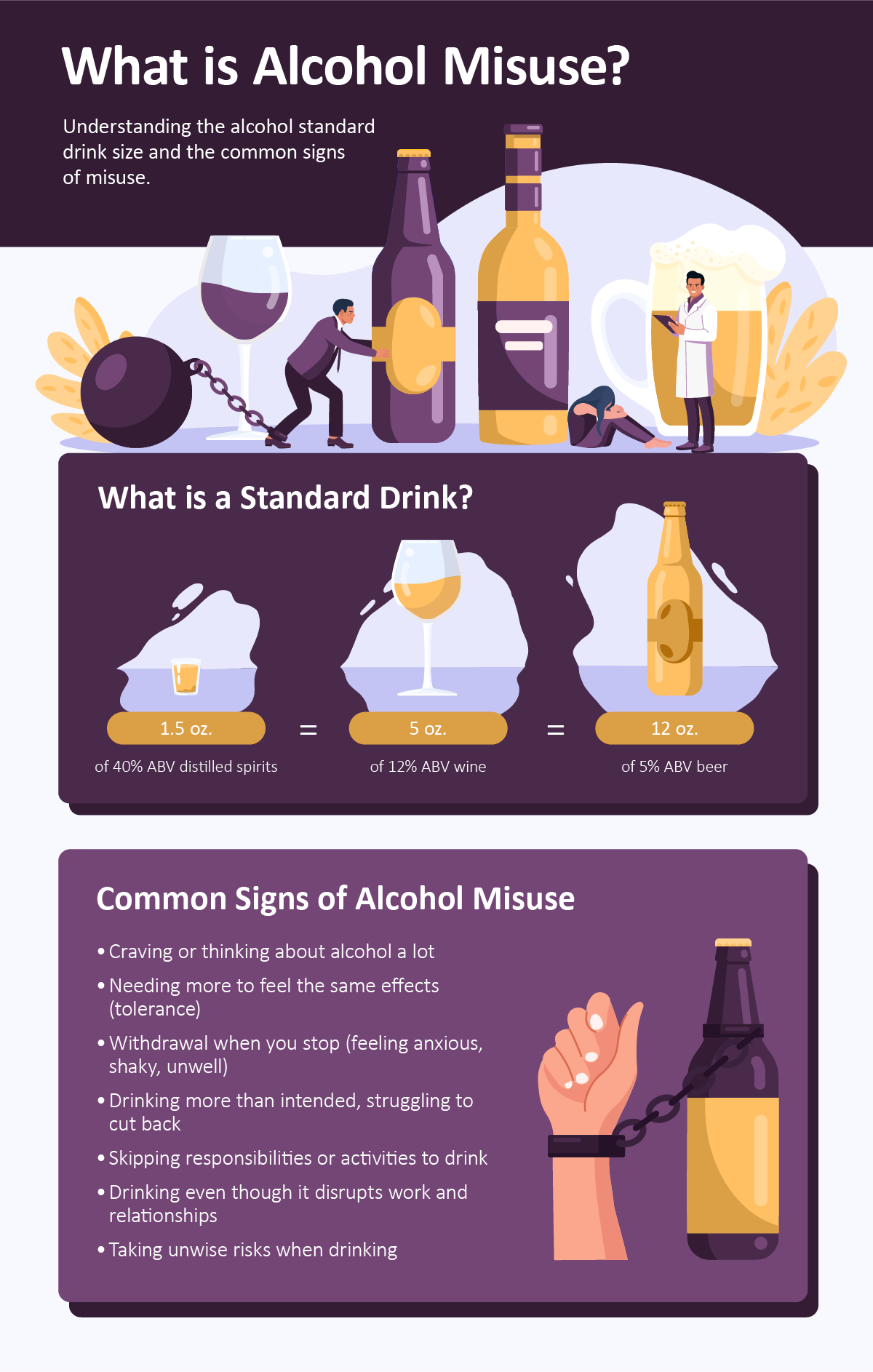
The National Institute on Alcohol Abuse and Alcoholism defines a standard drink as equaling about 14 grams of pure alcohol. That looks like 12 ounces of regular beer, 5 ounces of wine, or 1.5 ounces of 80‑proof spirits.
Binge drinking is a pattern where an individual occasion brings blood alcohol concentration to 0.08, typically five or more drinks for men or four for women in about 2 hours. Heavy drinking means frequent high levels of alcohol intake. Both patterns raise the chance of alcohol use disorder, accidents, and mental disorders like depression and anxiety.
Understanding the risks of too much alcohol
Drinking too much alcohol increases short‑ and long‑term health risks. In the short term, alcohol intoxication can cause slurred speech, poor judgment, and dangerous situations like falls or unprotected sex.
Over time, heavy drinking raises the risk of liver disease, high blood pressure, breast cancer, and esophageal cancer. Alcohol can lead to difficulty sleeping and affect blood sugar levels. Other issues include erectile dysfunction, memory problems, or hand tremors.
According to the Centers for Disease Control and Prevention, excessive alcohol use contributes to more than 178,000 deaths in the United States each year.
Signs of alcohol misuse
Alcohol misuse shows up in daily life, not just at parties. Many people in Central Kentucky tell us they started to drink to relax and then began drinking to avoid stress or worry. Key warning signs include:
- Craving alcohol or thinking about the next drink often
- Needing more alcohol to feel the same effects, known as tolerance
- Withdrawal symptoms when not drinking, like anxiety, sweating, or hand tremors
- Spending lots of time drinking or recovering
- Trying to stop drinking and not following through
- Giving up hobbies or activities you used to enjoy
- Neglecting responsibilities in order to drink alcohol
- Continuing to drink despite negative consequences at work, at school, or in personal relationships
- Continue to drink despite drinking making health problems worse
- Risky choices during or after drinking, such as driving impaired
These are some of the most common signs of alcoholic behavior. If several apply, it could point to a medical condition that needs care.
High-functioning alcohol use disorder
It’s important to know that a person may keep a job, pay bills, and be outwardly successful, but still meet criteria for alcohol use disorder. Outward success hides internal harm in the short run, but the health effects of heavy drinking or binge drinking eventually take their toll.
Which behavior is most likely to indicate alcohol abuse?
Continuing to drink after clear harm, like a DUI or relationship breakup tied to drinking, is a strong indicator. So is drinking to change mood, blacking out, or drinking for long periods alone.
Getting help from a healthcare provider
If you are concerned about your alcohol use, talk with a healthcare provider. A clinician can use DSM‑5 criteria to diagnose alcohol use disorder, check for co‑occurring mental disorders, and suggest treatment options. The American Psychiatric Association overview of AUD explains how providers assess symptoms and set a plan.
Alcohol detox and medication-assisted treatment
Medications can help during medical detox and early recovery. Under medical supervision, a provider may use medicines such as chlordiazepoxide to manage acute alcohol withdrawal symptoms. After detox, medications like acamprosate or naltrexone can be used to reduce cravings and help you avoid drinking.
Overcoming physical dependence
Physical dependence happens when the body adapts to frequent alcohol use. If you suddenly stop drinking after heavy use, alcohol withdrawal can start within hours. Common withdrawal symptoms include anxiety, tremors, sweating, nausea, and sleep disturbance. Severe alcohol withdrawal symptoms can include seizures, hallucinations, or extreme confusion, and become a medical emergency.
It’s safest to go through withdrawal under supervision. A healthcare provider can create a plan that may include monitored detox, hydration, nutrition support, and medicines to keep you safe.
Alcohol addiction treatment options
Effective care addresses both alcohol use and life skills. Evidence‑based therapies like cognitive behavioral therapy help you spot thought patterns that lead to drinking and practice new coping skills. Medication options, when appropriate, can support recovery. Peer support groups such as Alcoholics Anonymous or SMART Recovery can add structure and connection.
At our treatment center in Mount Sterling, we offer individualized paths that may include counseling, life skills training, mental health support, and in some cases medication-assisted treatment.
The importance of low‑risk drinking
If you choose to drink, knowing your limits helps reduce health risks. The National Institute on Alcohol Abuse and Alcoholism describes low‑risk drinking for most adults as no more than 4 drinks on any day and 14 per week for men, and no more than 3 on any day and 7 per week for women. Tracking drinking habits by counting standard drinks can help you limit drinking and see patterns. If you find you are drinking too much, consider a reset with professional support.
Importantly, “low-risk” does not mean safe or healthy; it simply refers to limits on drinking that can help prevent some of the more dangerous and health-harming effects of alcohol.
Some people should not drink at all, including those who are pregnant, those with certain medical conditions, and those taking medicines that interact with alcohol.
Alcohol use and mental health
Alcohol use and mental health are closely linked. Drinking can start as a way to cope with stress, then worsen anxiety or depression over time. Comprehensive addiction treatment addresses mental health and substance use disorder together for more resilient recovery.
Outpatient addiction treatment in Central Kentucky
Recognizing the signs of alcoholic behavior is the start of a healthier future. If you or a loved one may have alcohol use disorder, reach out to a healthcare provider, consider a formal assessment, and explore treatment options that fit your life. Our team at Sterling Crossroads can connect you with assessment, therapy, and ongoing outpatient support to find lasting freedom from alcohol addiction.